
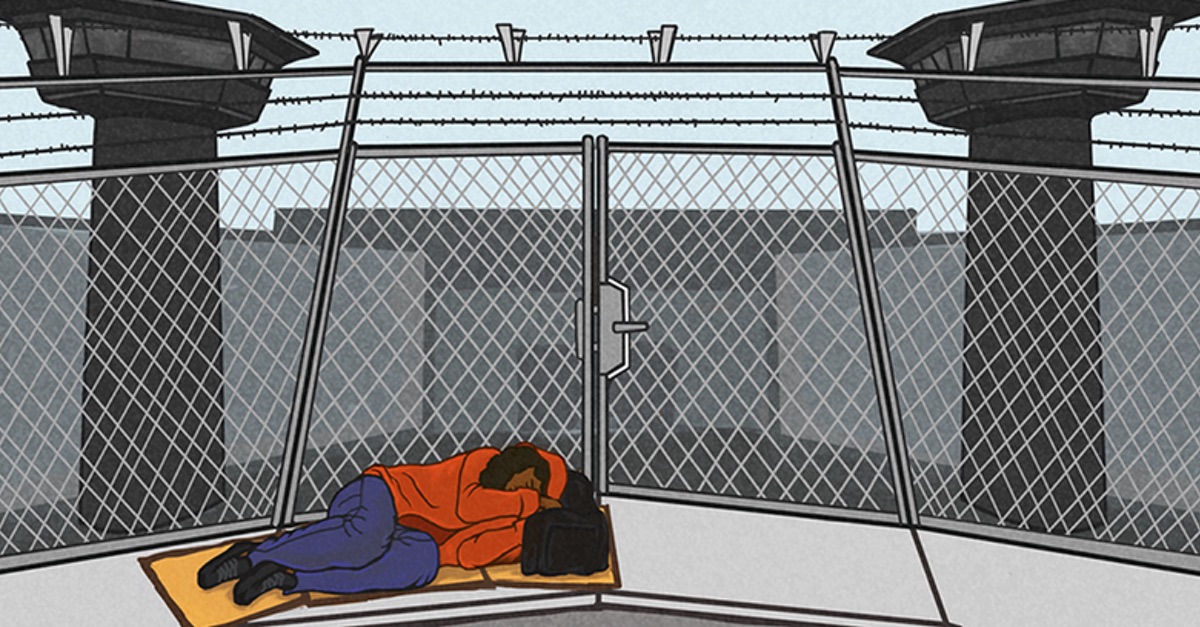
5 in 6 people who were released from prison were arrested again within the first 9 years after being released (Alper, 2018) 15.3% of prisoners had experienced homelessness in the year leading up to their arrest (Greenberg, 2008). Though these issues seem unrelated, there are overlapping contributors to people experiencing houselessness. We are all driven by basic needs that we must fulfill: food, water, & a reliable place to rest safely. When people are put in situations where these needs become more difficult to meet, they will find some way to cope: sex, substances, mental escape. They may also turn towards alternative methods of meeting those needs: harmful romantic/sexual relationships that provide safety, theft, or other forms of crime.
A new economic landscape is emerging, in which the average person is unable to meaningfully meet their basic needs. This has caused a spike in crimes, such as the warehouse fire attributed to a disgruntled employee that stated, “If you’re not going to pay us enough to f*cking live, at least pay us enough not to do this.” (ABC7 Chicago, 2026) This economic dismay is the same underlying motive behind people committing petty crimes, such as car break-ins or other forms of theft. By removing honest paths towards fulfilling the basic needs of oneself or loved ones, crime will become a growing norm.
Unfortunately, this results in a feedback loop. The more often you’re incarcerated, the less likely that you’d be housed. With the average American one paycheck away from houselessness, this is a frightening infrastructure that is built on false moral grounds. Why punish people for trying to meet their basic needs? The entire purpose of the government is to assure the mutual benefit to all those participating in that system.
So, then, what do we do?
Let’s be honest about our current situation & work together, both within & outside of government systems. Within, let’s elect representatives that have plans to address these real contributors of economic anxiety: AI regulations, food accessibility, employee protection, & fair housing policies. Outside of the system, let’s work together to find ways to address our needs: community gardens, co-op housing options, lending circles, & other forms of communal aid programs.
ABC7 Chicago. New video appears to show start of Southern California warehouse fire, may reveal motive. (2026, April 9). ABC7 Chicago. https://abc7chicago.com/post/new-video-toilet-paper-being-set-fire-reviewed-part-investigation-southern-california-warehouse/18860399/
Alper, Mariel, et al. Special Report 2018 Update on Prisoner Recidivism: A 9-Year Follow-up Period (2005-2014). U.S. Department of Justice, May 2018, bjs.ojp.gov/content/pub/pdf/18upr9yfup0514.pdf.
(IMAGE SOURCE) Couloute , L. (2018, August). Nowhere to Go: Homelessness among formerly incarcerated people. Prison Policy Initiative. https://www.prisonpolicy.org/reports/housing.html
Greenberg, Greg A., and Robert A. Rosenheck. “Jail Incarceration, Homelessness, and Mental Health: A National Study.” Psychiatric Services, vol. 59, no. 2, Feb. 2008, pp. 170–77, https://doi.org/10.1176/ps.2008.59.2.170.


No comments:
Post a Comment