Pages

Tuesday, November 10, 2015

Albany County, NY, bans products containing microbeads

As of this date, Albany County in New York has come to join several other states and counties who have banned the usage of microbeads. The measure passed unanimously with bipartisan support after local officials were tasked with three options: “do nothing, which… is not acceptable; spend millions of dollars of taxpayer money to upgrade water treatment facilities to filter out the tiny pollutants; or ban them.” Tom Ellis, an activist who helped pushed the bill, is hoping vendors will cease to use microbeads in their products; since this bill will require retailers to request no products containing microbeads, there is an assumption that big vendors will stop using microbeads instead of wasting resources on creating specialized product shipments by county and state. Those who violate this law will face fines reaching upwards to $5,000 a day.
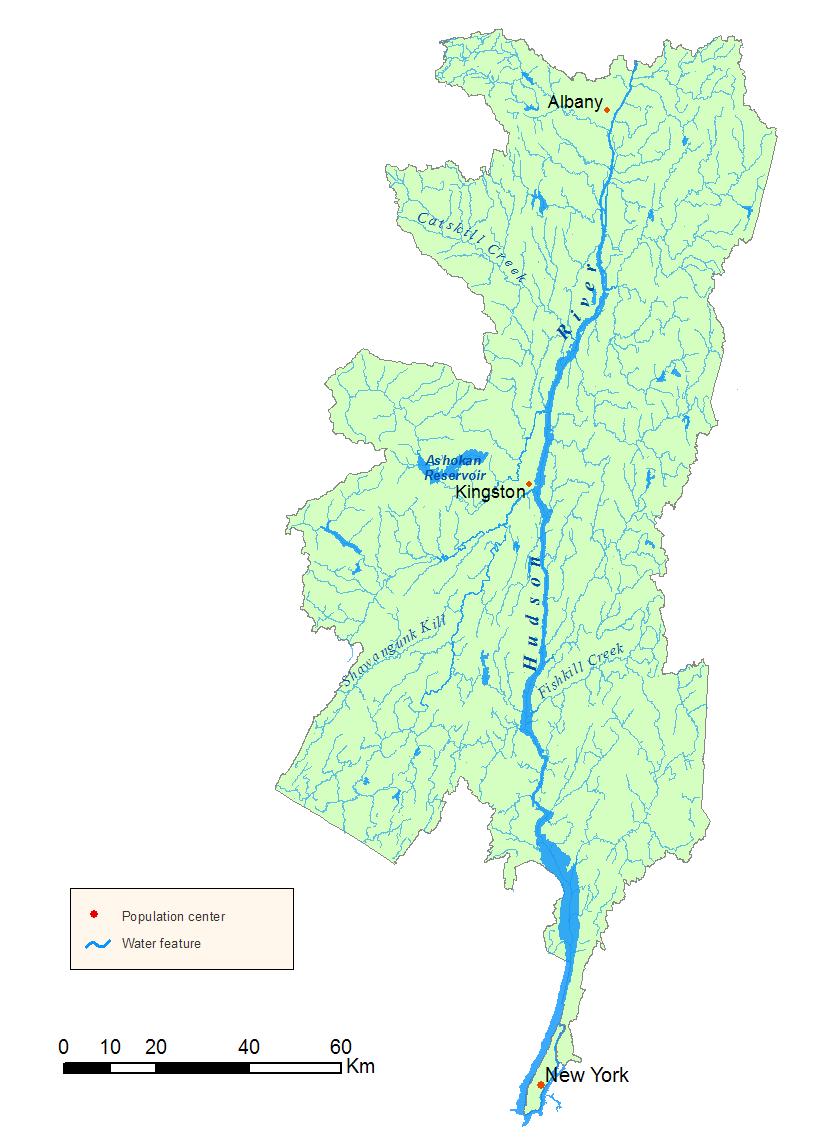


This measure was particularly meaningful because it was the first ban to pass in the Hudson River watershed, a 13,390-square-mile drainage basin where surface water from rain, snow or ice converge to a single point at a lower elevation where waters join another water body. Groups such as the Hudson River Estuary Program have been working diligently to ensure the natural habitat and wildlife of the watershed are preserved, and this measure acts as a major victory in their favor. The Hudson River watershed is especially important because it is one of the most studied bodies of water; settlers founded it 400 years ago, and researchers have been drawing information from it regarding fish patterns for over 100 years. New species of fish are introduced to it every year; with the ban on microbeads in Albany County, it is now up to the other counties surrounding the Hudson River watershed to ensure that the wildlife continues to flourish. 

Sources
timesunion

Sunday, November 8, 2015

How Exactly Do Microbeads Affect Wildlife?

Microbeads, the tiny, 1mm balls of plastic commonly found in toothpastes, and exfoliating scrubs, are so tiny in fact that they cannot be filtered through sewage systems. They make their way to our waterways, causing vast plastic water pollution. According to a study of chemist Lorena Rios of the University of Wisconsin-Superior, 1,500 to 1.7 million plastic particles per square mile were found by her team in the great lakes.
 
Who is Affected by Microbead Pollution?

Marine life is largely affected by this pollution, and here's how: Fish mistake the microbeads for food, eat them, and then cannot digest them properly, thus starving them of nutrients. Microbeads can easily absorb chemicals that can potentially affect the species DNA, causing deformities. In one study, around 35% of 670 fish examined (a total of 6 species) had microbeads in their stomachs.  Microbeads have also been known to make their way into the flesh of fish, and then into our stomachs! The smallest fragments of plastic are filtered and retained by filter feeders such as mussels. Belgian toxicologist Colin Janssen found that on average, each gram of mussel flesh contains one particle of plastic. that is scary!
 
-Product containing microbeads is purchased, used, and washed down he drain. The plastic microbeads make their way to the waterway and are mistaken for food by marine life. The fish containing microbeads are bought and consumed by humans.-
 
Products that DO NOT contain microbeads:
-Tree Hut Shea Sugar Body Scrub Brazilian Nut
-St. Ives Hypo-Allergenic Purify Exfoliating Body Wash
-Neutrogena Naturals Purifying Pore Scrub
-St. Ives Invigorating Apricot Scrub
-Biore Acne Clearing Scrub
-Elimis Gentle Rose Exfoliator
-Philosophy The Microdelivery Peel
-Skimedica AHA/BHA Exfoliating Cleanser
-Murad Age Refrom AHA/BHA Exfoliating Cleanser
-Renee Rouleau Mint Buffing Beads
-Elizabeth Arden Ceramide Line Smoothing Exfoliator
-Jan Marini Clean Zyme Face Cleanser
-Arcona Cranberry Gommage Exfoliate
-Algenist Triple-Action Micropolish & Peel
-Perricone MD Blue Plasma
 
 
References:


Thursday, October 29, 2015

Microbeads


Microbeads are tiny spherical particles often found in various healthcare and beauty products such as toothpaste, facial cleansers, and body wash. While these beads are used for exfoliation and polishing for the purpose of you being cleaner, it however is not the same for the environment. It may seem like insignificant issue because microbeads are tiny (usually smaller than 2 millimeters), however they are not degradable. This makes them easy to wash down the drain without causing plumbing issues; but they do not get filtered during water treatment. 

Microbeads absorb other toxic pollutants such as pesticide and motor oil. If a single microbead can contain so many other toxic materials, imagine the impact of hundreds and thousands of them washing through watering systems. Consumption of it endangers wildlife (such as fish, and other animals that eat fish and drink water from streams). When we consume these animals, we are essentially digesting plastic (and who knows what it absorbed) as well. This creates a cycle that greatly affects wildlife as well as us.

It is because they are long-lasting and cheaply manufactured, that they are favored by many cosmetic brands, versus opting for bio-degradable plastics which require a larger scale facility to create. Microbeads are smooth and non-abrasive, and take a while to actually exfoliate the skin, which then causes consumers to purchase the product more often and drive up sales. However there are many campaigns and organizations fighting against it (and many states and countries trying to ban it):


Tuesday, October 27, 2015

Microbeads

Microbeads are polyethylene microspheres. These microbeads can be found in cosmetics and personal care products like toothpaste. It can also be found in other things like biomedical stuff, but I really think that cosmetics and care products will be my primary focus. Before I took this class I actually switched my toothpaste because I read about these microbeads and I am ecstatic that this will be our course topic. There are three types of micro beads fluorescent polyethylene, colored polyethylene, and black polyethylene microspheres. Other than potential health problems caused by these microbeads there is also potential environmental effects they can have. When using care products like exfoliating products or toothpaste these microbeads get washed down the drain and they end up passing through our treatments plants and end up in the rivers and streams. That is not good for us and certainly not good for our animal friends. That is why this is such a hot topic for environmentalist and is a great topic to discuss. 


California has now outlawed and are phasing out microbeads in personal care products within their state, which will take effect in 2020. They are showing up in the bodies of fish and other wildlife after passing through the filtration systems. The problem is the beads are not disintegrating which makes them environmentally unfriendly. The legislation passed in California will make sure these companies comply and use environmentally safe alternatives. 


On the other side of the country a man named Mr. Wilson, who lives on a sailboat, is an environmentalist who has helped lead the fight against microbeads. He calls it a “Trojan horse” in the effect that these beads go through the filtration system by the billions, which equates to 19 tons, and washes into the waste water every year. That could very well work its way into the food chain like fish and ultimately can end up digesting them ourselves. Mr. Wilson and others are fighting to pass bills like the one in California that will make these companies cease making the harmful microbeads and switch to an environmentally safe alternative.  


Monday, October 26, 2015

Microbead consciousness

Microbeads are found in numerous aspects of our daily life. Soaps, toothpastes, body scrubs, and other products used on a daily basis all contain these tiny plastic beads. They seep through even the best water filtration systems and contaminate the waterways and ecosystem. There is a smartphone application that will allow one to determine if the product they are about to use or purchase contains microbeads. I saw via beatthemicrobead.org, the North Sea Foundation and the Plastic Soup foundation have created the "Beat the Microbead app". This will allow consumers to scan product barcodes make the determination.
California made strides this month joining many other states (many on the east coast) in making the Microbead ban official, according to the New York Times.
What can we do to help this cause? Download the app; when we go shopping take a few extra minutes to determine if what we're purchasing is harmful to the environment. Say no to microbeads and support the legislation decisions that are against them.

Microbead Water Pollution

Used in face and body scrubs, lotions, toothpastes, and other beauty products as exfoliating agents, microbeads (polyethylene, polypropylene) are tiny plastic beads that do not break down in water, thus are being washed down our drains and wreaking havoc on our waterways. Not only should we worry about our water, but the MANY animals that call our waterways home.
 
Because of their tiny size, (defined in the U.S. as less than 5 millimeters at its largest dimension) they pass through sewage treatment plants with ease, which results in plastic particle water pollution. It may seem like a few plastic beads down the drain is no big deal, but when a single tube of face wash can contain up to 330,000 microbeads, and thousands of these products being sold on a daily basis, this creates a HUGE deal for our water and beloved animals.

 
Many groups have been formed in hopes to ban the microbead. One of them, 5GYRES, is passionate about his issue and has created a website with useful information on microbeads, and a petition to sign to help ban the bead. I highly encourage you to follow the link below, become more aware of this issue, and sign the petition. If enough of us ban together, we can help end microbead pollution. Click below.


Sunday, October 25, 2015

     Microbeads are polyethylene microspheres. These microbeads can be found in cosmetics and personal care products like toothpaste. It can also be found in other things like biomedical stuff, but I really think that cosmetics and care products will be my primary focus. Before I took this class I actually switched my toothpaste because I read about these microbeads and I am ecstatic that this will be our course topic. There are three types of micro beads fluorescent polyethylene, colored polyethylene, and black polyethylene microspheres. Other than potential health problems caused by these microbeads there is also potential environmental effects they can have. When using care products like exfoliating products or toothpaste these microbeads get washed down the drain and they end up passing through our treatments plants and end up in the rivers and streams. That is not good for us and certainly not good for our animal friends. That is why this is such a hot topic for environmentalist and is a great topic to discuss.
     California has now outlawed and are phasing out microbeads in personal care products within their state, which will take effect in 2020. They are showing up in the bodies of fish and other wildlife after passing through the filtration systems. The problem is the beads are not disintegrating which makes them environmentally unfriendly. The legislation passed in California will make sure these companies comply and use environmentally safe alternatives.

     On the other side of the country a man named Mr. Wilson, who lives on a sailboat, is an environmentalist who has helped lead the fight against microbeads. He calls it a “Trojan horse” in the effect that these beads go through the filtration system by the billions, which equates to 19 tons, and washes into the waste water every year. That could very well work its way into the food chain like fish and ultimately can end up digesting them ourselves. Mr. Wilson and others are fighting to pass bills like the one in California that will make these companies cease making the harmful microbeads and switch to an environmentally safe alternative. 


http://www.nytimes.com/2015/05/23/business/energy-environment/california-takes-step-to-ban-microbeads-used-in-soaps-and-creams.html